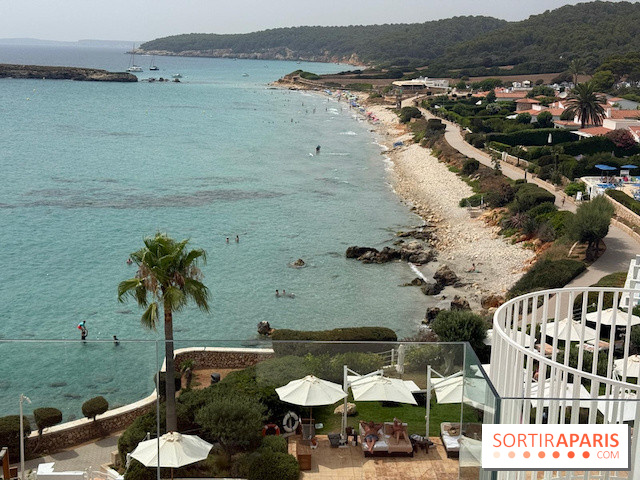
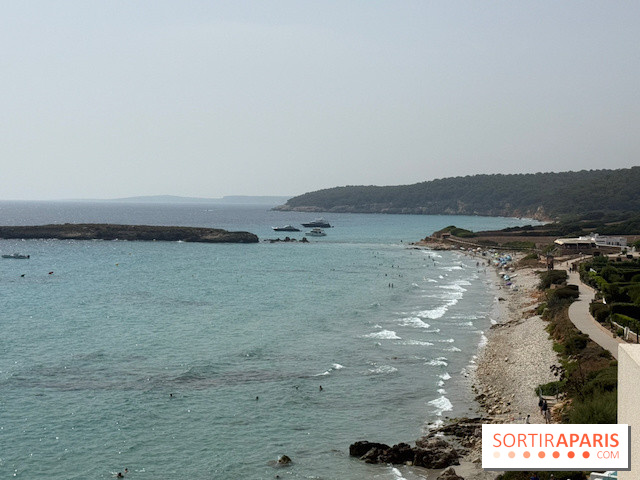
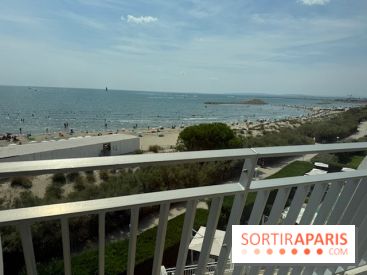
Less than a two-hour direct flight from Paris in the summer season, Menorca lets you swap the bustle of Île-de-France for Mediterranean beaches and landscapes in just a few hours. Based in Santo Tomás on the island’s southern coast, Villa Le Blanc Gran Meliá sits right on the sea, about 28 kilometers from Mahón Airport.
From Paris Orly, direct connections are largely seasonal, typically available from spring through autumn. When you factor in the flight, customs, and the transfer to Santo Tomás, you’re looking at roughly four and a half to five and a half hours door to door. A rental car is still advisable for exploring the island, even though several beaches and trails can be reached on foot from the hotel.
Smaller than Majorca and less tied to nightlife than Ibiza, Menorca invites you to follow the coastal paths, reach a cove, discover a village, or wander through the island’s inland rural landscapes. The island has been designated a UNESCO Biosphere Reserve since 1993, while its talayotic heritage has been added to the World Heritage List in 2023.
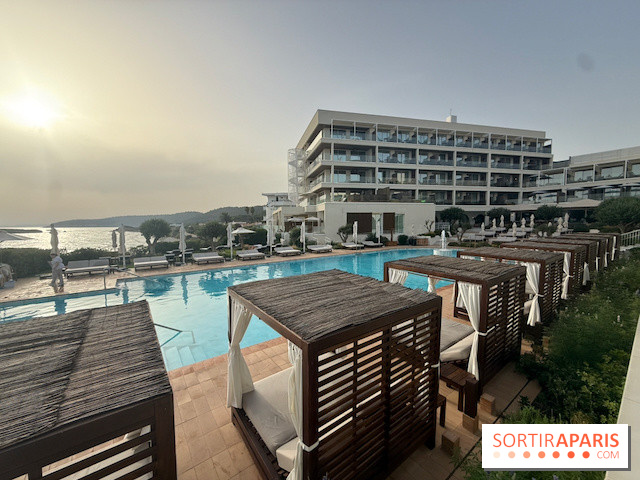
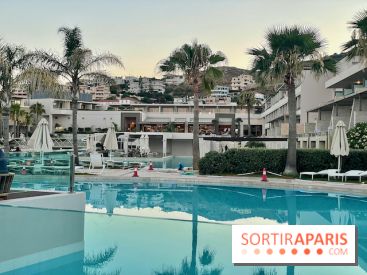
Villa Le Blanc has 159 rooms, including 45 suites. The property brings together multiple pools, restaurants, a spa, family spaces and an adults-only rooftop. It is not a tiny, isolated finca, but a five-star resort offering the services of a major international hotel in the quieter setting of Santo Tomás.
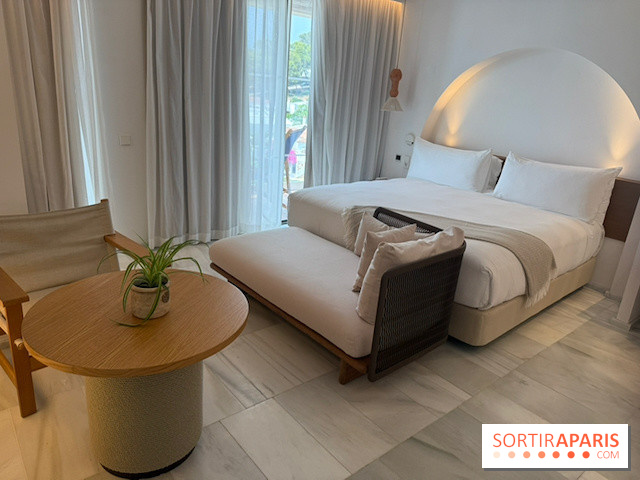
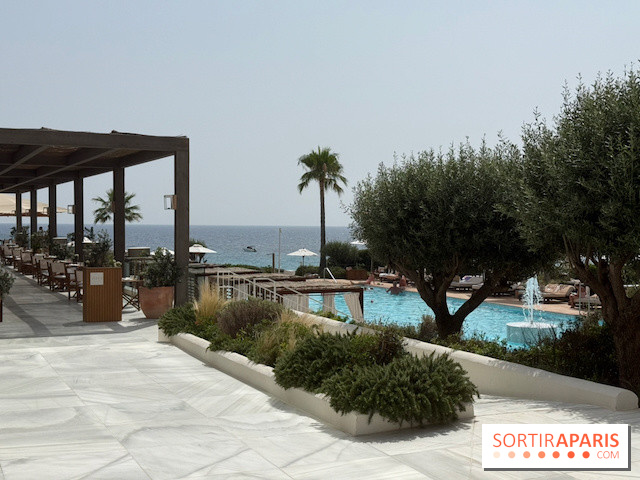
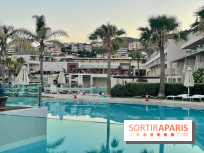
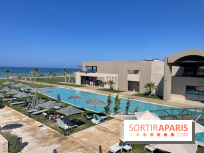
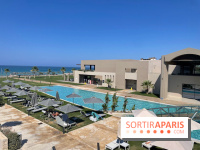
The renovation of the former property on the site has been entrusted to architect Álvaro Sans of the ASAH studio. White facades, arches, light timber, natural fibers and sand-toned hues reinterpret several elements of Majorcan architecture. The volumes stay largely horizontal, and the communal spaces feature numerous openings onto the sea.
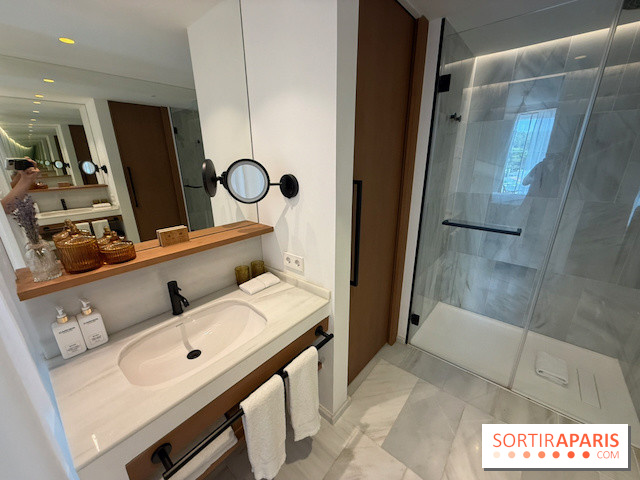
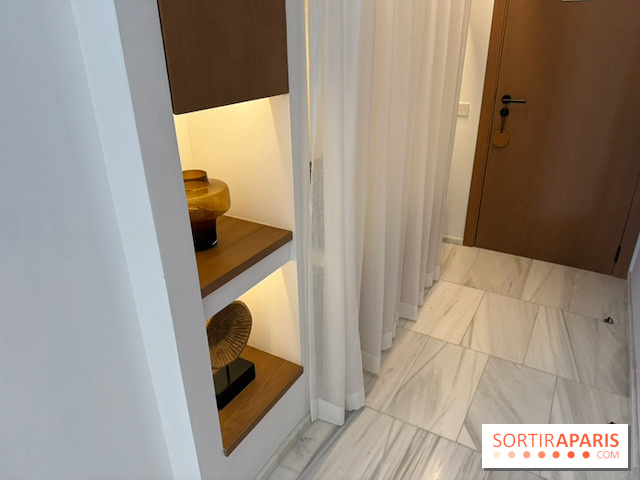
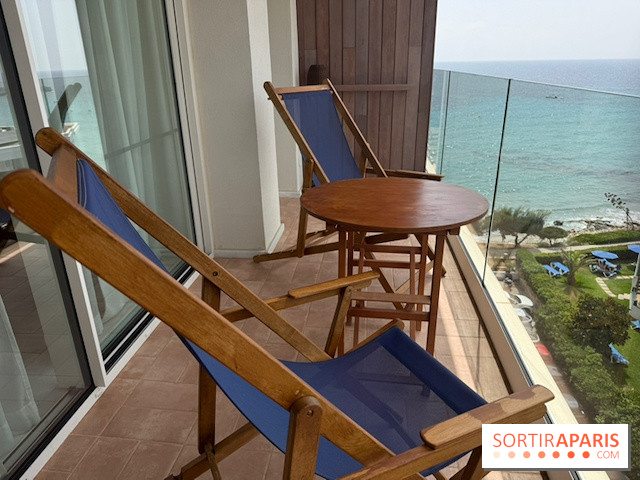
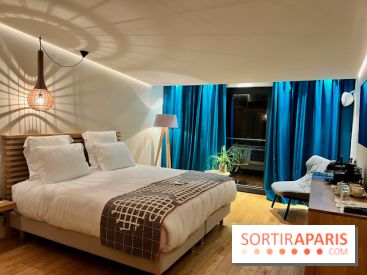
Room categories vary significantly depending on location and layout. Some open onto the street or offer only a partial side view, while higher-tier options may boast a terrace, an outdoor bathtub, a roof terrace, a private pool, or direct access to the rooftop. During our stay, we occupied a Premium room, which we felt offered a compelling balance of comfort, space and price.
It remains advisable to scrutinize the floor plan and photos in the reserved category. An outdoor bathtub or a small private pool does not always guarantee full privacy, as some terraces can still be visible from other parts of the building.

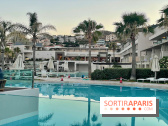
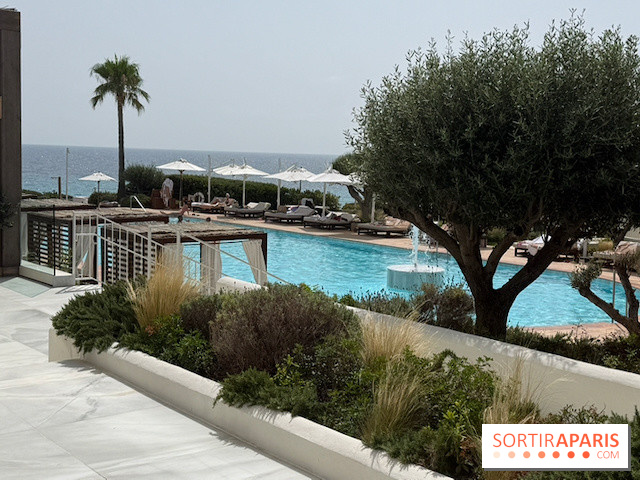
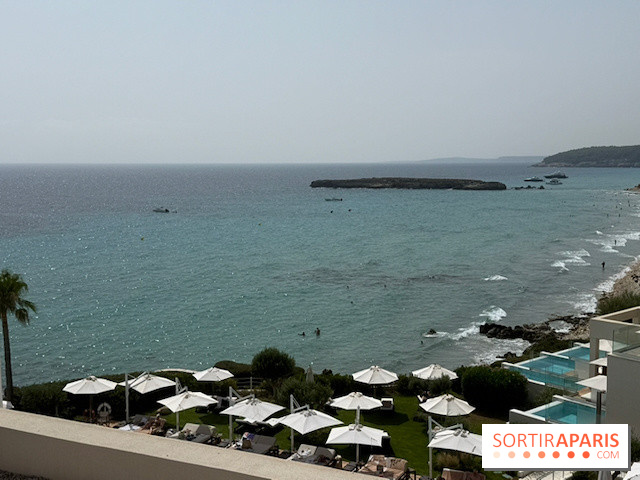
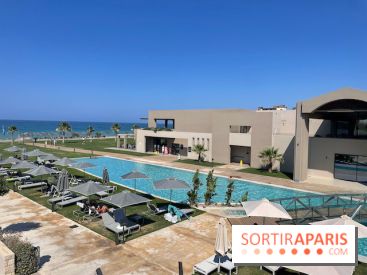
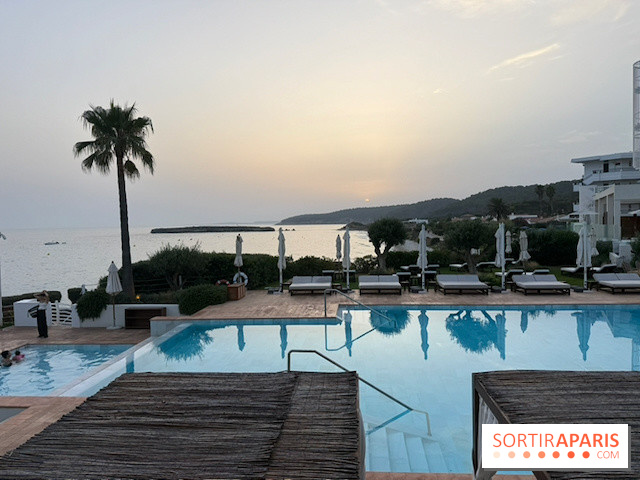
The main pool sits at the heart of the property, facing the Mediterranean. The area brings together sun loungers, Bali beds, and a dining service. It acts as the hotel’s daytime hub, between swims, reading, and easy access to the coastline.
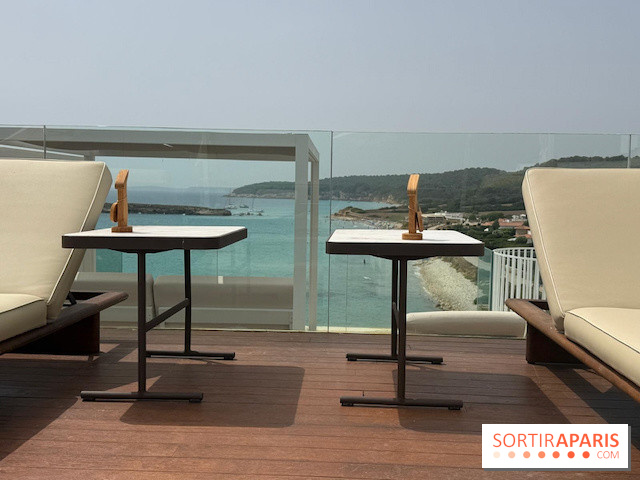
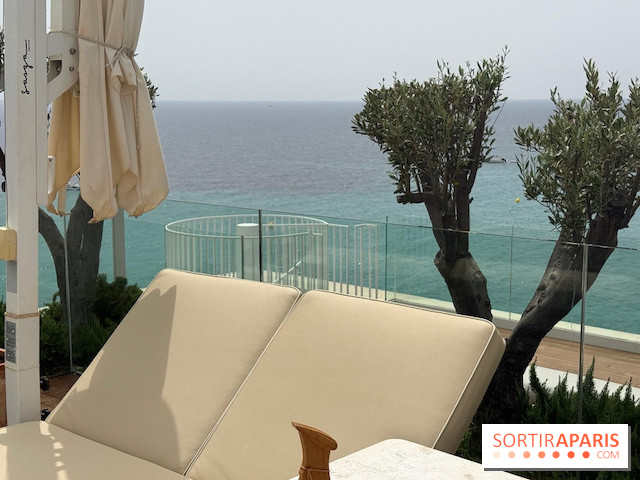
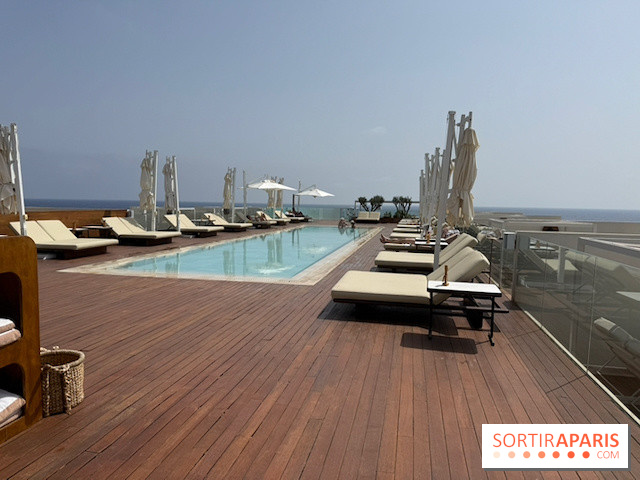
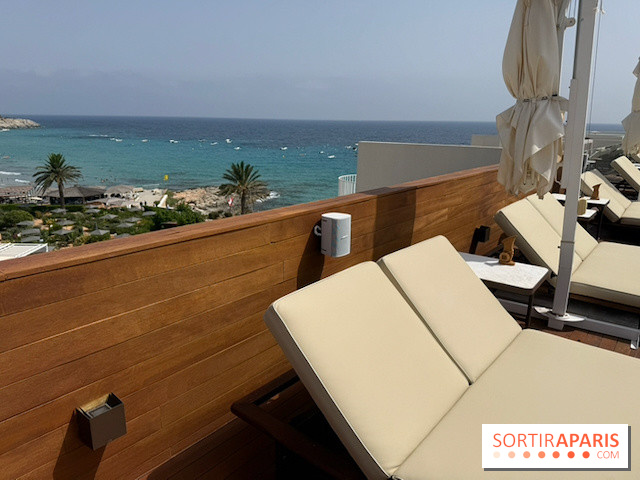
The adults-only rooftop features a shallow panoramic pool, sun loungers, and a bar serving cocktails and light bites. This space lets guests escape the buzz of the main pool, which tends to be busiest during the hot hours and peak season.
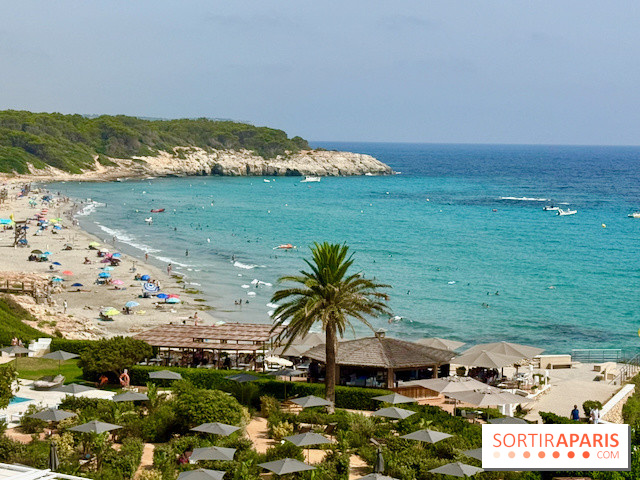
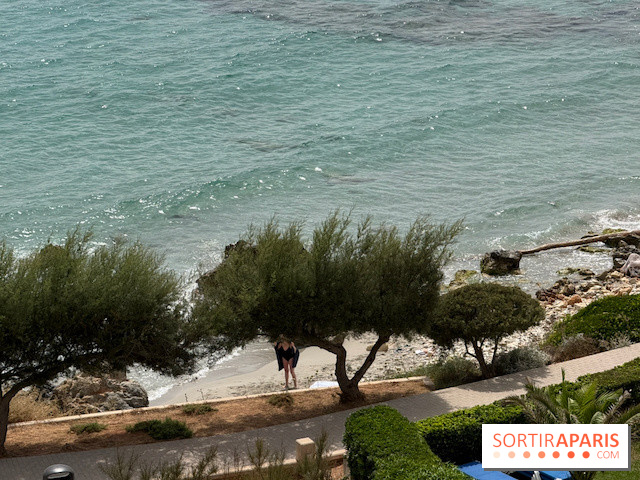
Direct access to the coast remains one of Villa Le Blanc's key perks. The property sits between Santo Tomás and San Adeodato beaches, with no shuttle to catch or busy road to cross. It becomes possible to swim before breakfast, stroll at sunset, or walk to another beach along the shore.
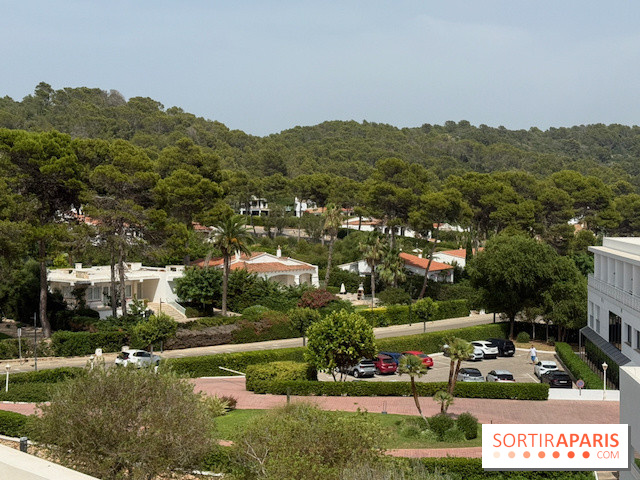
Santo Tomás is a quiet seaside resort with a handful of restaurants, shops, and accommodations, but limited nightlife. This setup works for couples, families, and travelers looking to unwind. It’s less suited for those who want to walk to a lively historic center every evening.
The spa at Villa Le Blanc favors a bright, mineral-inspired ambience. The resort offers massages and treatments, as well as a sauna, a hammam and several relaxation areas. A 24-hour gym features cardio machines, strength-training equipment, a functional training zone and a stretching space.
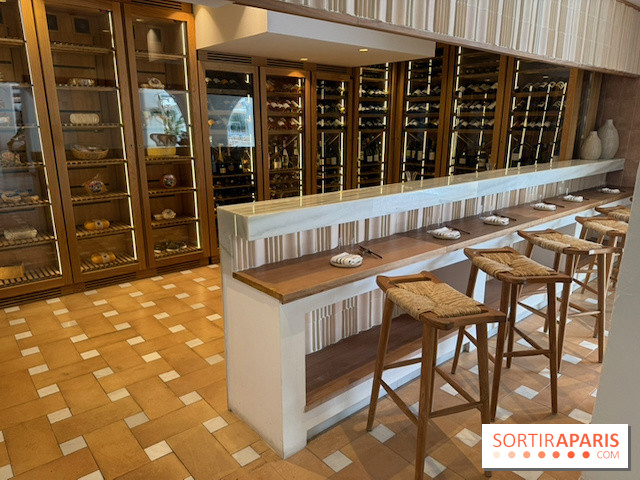
The hotel runs multiple outlets designed for different moments of the day. Nivi offers a menu centered on grilled dishes, local produce, and a range of Mediterranean influences. The restaurant also serves breakfast, laid out as a buffet and complemented by à la carte options and dishes prepared to order.
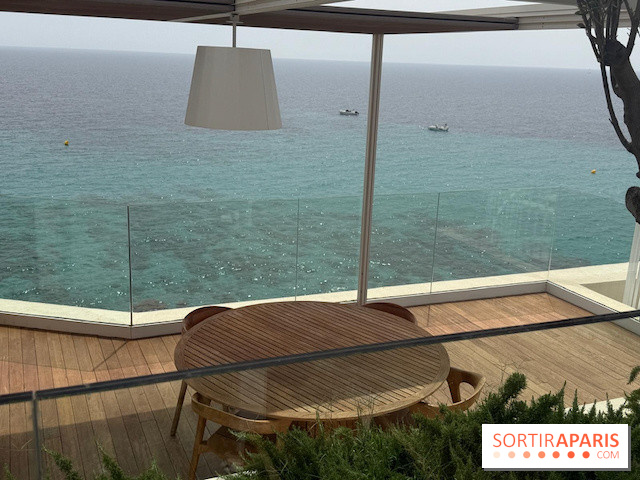
The White Grand Café, located in the lobby, stays open throughout the day for lunch, a coffee break, or a late bite. Terraza del Balear emphasizes fish, arroz dishes, and Minorcan specialties, in a sea-facing setting. The rooftop finally has its own bar.
Prices stay in line with a five-star hotel. Alternating meals between the hotel and restaurants elsewhere on the island lets you vary the experience and discover Minorcan cuisine, especially seafood, rice dishes, Mahón-Menorca cheese, and caldereta de langosta paired with the village of Fornells.

The Binigaus Beach is one of the easiest excursions from Villa Le Blanc. Heading along the coast to the west, you gradually leave behind Santo Tomás’s developed area and reach a more natural landscape. A good fifteen minutes of walking should suffice, depending on where you start and your pace.
The route follows a section of the Camí de Cavalls, a historic 185-kilometer trail that rings the island of Menorca. Today it’s divided into twenty stages, winding through pine forests, cliffs, ravines, pastures, wetlands, and coves that are sometimes only accessible on foot.
Obviously you don’t need to cover it all. From Santo Tomás, a few hours’ hike is enough to get a taste of it. In July and August, it’s best to start early, bring plenty of water, and steer clear of sunlit sections during the hottest part of the day.
Inland, the Binigaus ravine leads to the Cova des Coloms, a vast cavity nicknamed “the Cathedral” for its scale. The hike threads through a rural landscape of dry-stone walls, woodlands, and limestone terrain.
This excursion shows that Menorca isn’t all about its beaches. The island’s interior preserves a bucolic agro-pastoral atmosphere and a network of ancient trails. Sturdy shoes remain essential, especially after a spell of rain.
On the western side of the island, Ciutadella deserves at least half a day. Its historic center is packed with narrow lanes, palaces, plazas, a cathedral and a tucked-away harbor. The town offers more evening activity than Santo Tomás, and it’s easy to mix a stroll with artisanal shops and a terrace lunch.
A few kilometers from Ciutadella, the Naveta des Tudons ranks among the best-known monuments of the Talayotic culture. This funerary building, shaped like an overturned boat, bears witness to the island’s ancient occupation.
The coves of Cala Galdana, Macarella, and Macarelleta embody the image most commonly associated with the southwest coast: pale sand, turquoise water, limestone cliffs, and pine forests. Cala Galdana is the most accessible and best equipped, and can serve as a starting point to reach the other coves on foot or by sea. In peak season, access rules and crowds can change.
To the east, Mahón, or Maó in Catalan, reveals itself from its elevated streets before winding down to the quays. Its natural harbor, one of the largest in the Mediterranean, can be explored by boat to take in the fortifications, the islets, and the houses perched along its banks.
Since 2023, it has been listed as a UNESCO World Heritage site, the Minorque talayotique brings together archaeological sites set in agrarian-pastoral landscapes. Talayots, taulas, navetas, enclosures and dwellings were fashioned from large blocks of stone dating from the Bronze Age through the end of the Iron Age.
Torre d’en Galmés, Torralba d’en Salort, Trepucó, Talatí de Dalt and the Naveta des Tudons are among the archipelago’s most famous archaeological sites. A visit adds historical depth to the stay and invites a fresh perspective on the stones, the dry-stone walls, and the rural landscapes of Menorca.
Northeast of Mahón, the S’Albufera des Grau Natural Park protects a vast wetland, dunes, forests, and part of the coast. Several trails run along the lagoon, offering excellent birdwatching. A visit can be combined with the village of Es Grau and the Favàritx lighthouse, in a scenery that’s more stark and rocky than the southern beaches.
Monte Toro, the island’s highest peak at 358 meters, offers a sweeping view across a large stretch of Menorca. A stop there can be paired with a visit to Es Mercadal, the central village located near several cheese producers.
The village of Fornells winds around a sheltered bay on the northern coast. Its whitewashed houses, its harbor and its restaurants make it a worthwhile add-on to a stay in Santo Tomás. The village is best known for lobster caldereta, though menus also feature fish, rice dishes and other local specialties.
From Fornells, you can go sailing or kayaking, then continue on to Cape Cavalleria. The northern coast is rockier and more exposed to the wind, offering a landscape that is very different from the clear coves of the south.
Couples can unwind on the adults-only rooftop, enjoy the spa, stay in rooms with terraces, and embark on private excursions focused on sailing or the Camí de Cavalls. May, June, September, and early October generally offer a calmer atmosphere and temperatures better suited for hiking.
Families have access to a kids' club, play areas, childcare services and connecting suites. Nevertheless, you should budget for the total cost in peak season, especially as additional options such as restaurants, parking, Balinese daybeds, or certain private experiences come into play.
Villa Le Blanc stands out for its Mediterranean-facing location, its whitewashed architecture, an adults-only rooftop, and the overall quality of its facilities. The real draw of the stay, however, emerges when the hotel becomes a welcome retreat after a day spent hiking, sailing, exploring a prehistoric site, or enjoying lunch in a village.
Around the estate, Binigaus Beach, Cova des Coloms, and the village of Es Migjorn Gran already hint at several facets of Minorca. Villa Le Blanc becomes less a destination closed off from the world and more a comfortable base for exploring the island at your own pace.

Location
Le Blanc Villa Gran Meliá
Urbanització Santo Tomàs
07749 Sant Tomas
Route planner