About two hours from Paris, Blois makes for a practical launching point to explore several key sites of the Loire Valley. Depending on the chosen route, the drive from Paris runs about 190 km, with an estimated travel time from 1 h 55 to 2 h 59 depending on traffic. By train, SNCF Connect listed in July 2026 a journey of roughly 1 h 23 to 2 h 16 from Paris to Blois-Chambord. Still, the exact timings vary by day and by train.
This two-day getaway bundles a night at Fleur de Loire, a dinner at Amour Blanc, a visit to the Château de Chambord, a visit to the Royal Château of Blois, and the evening show Son et Lumière. It can be done by train, but a car offers greater flexibility to reach Chambord and the surrounding estates.
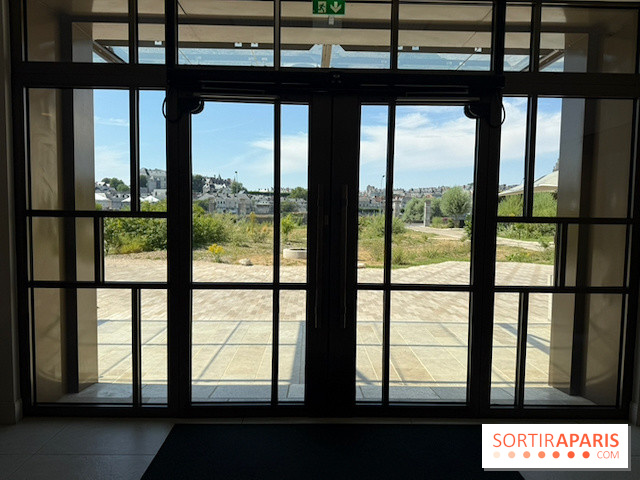
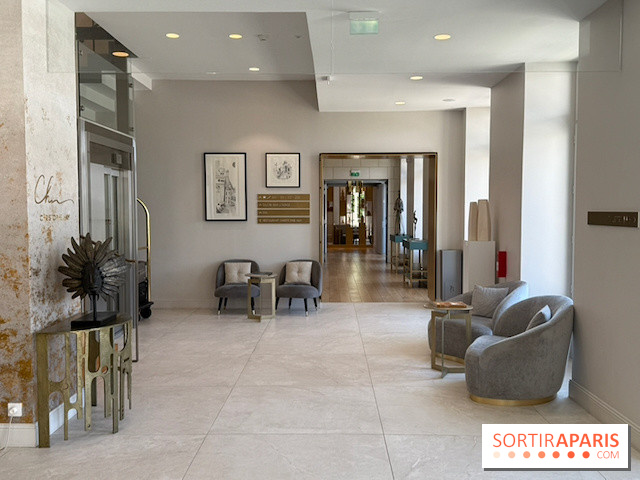
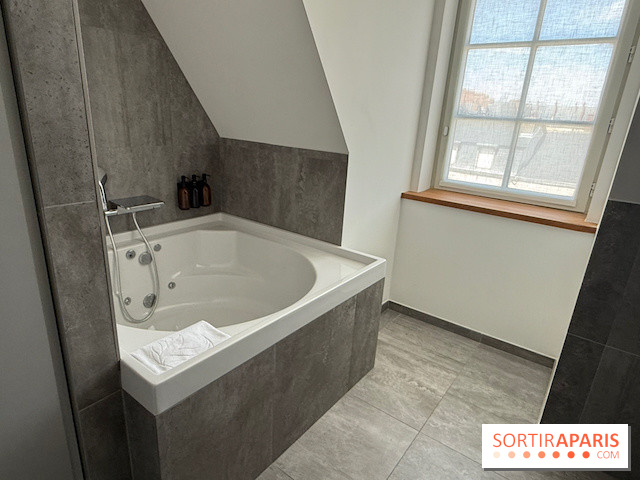
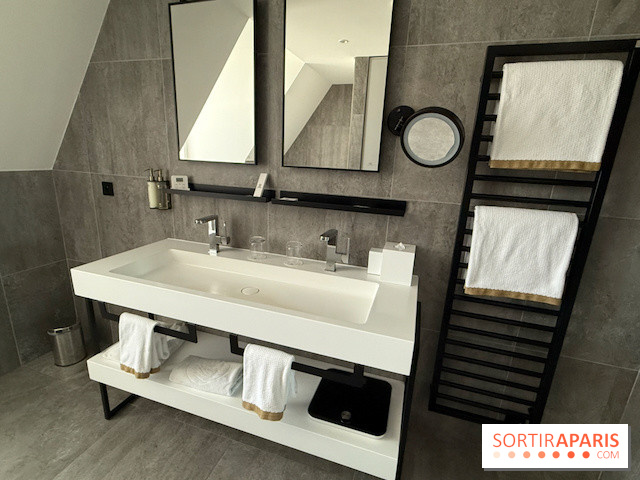
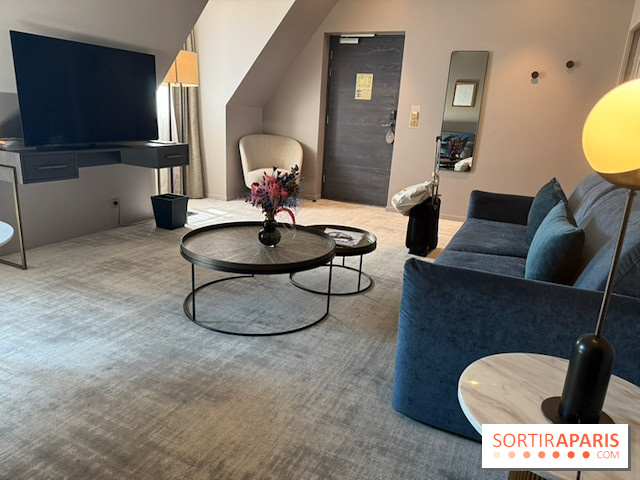
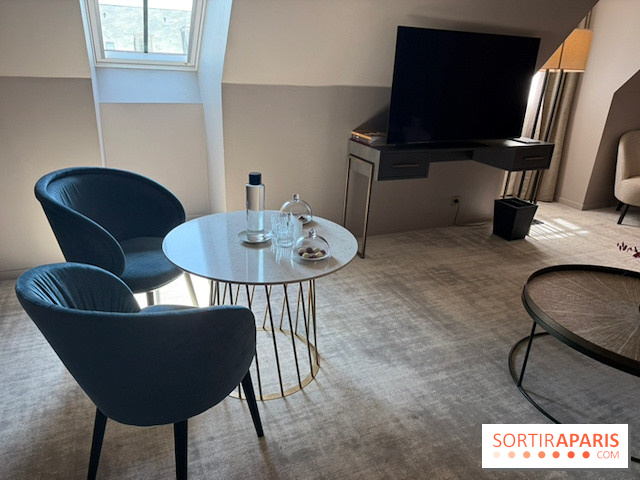
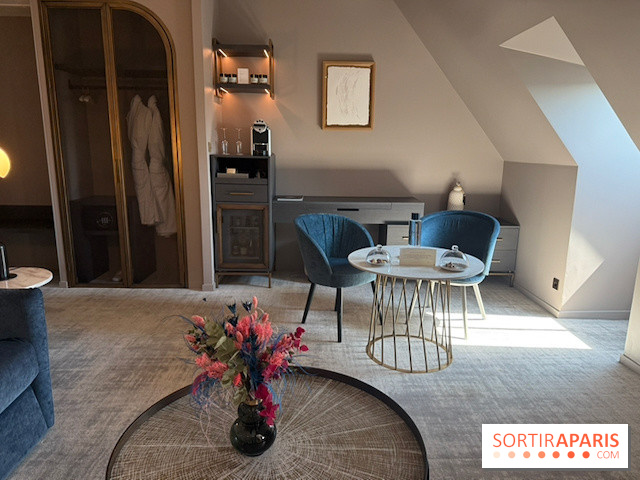
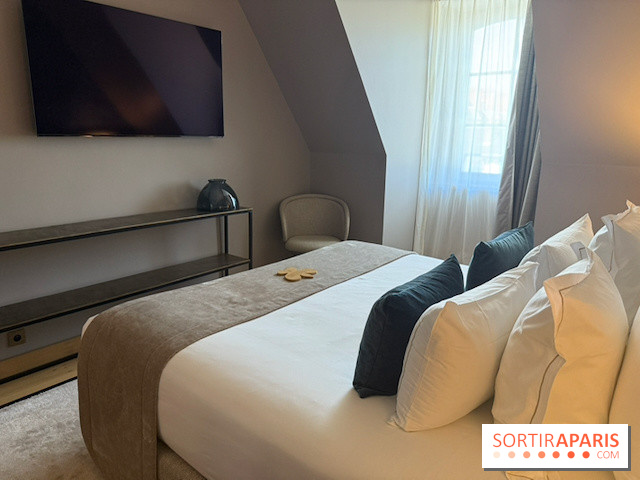
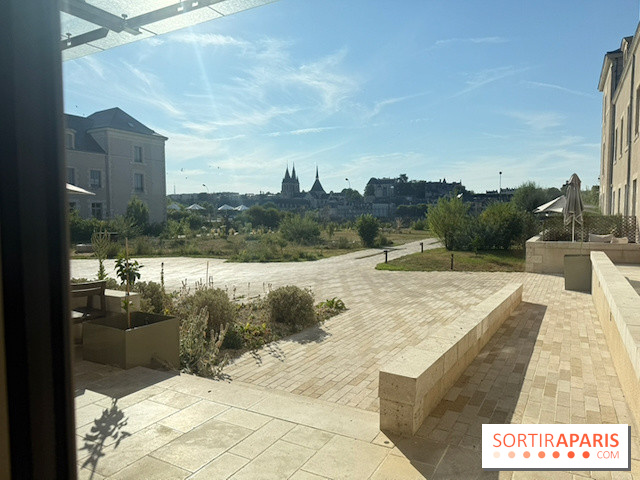
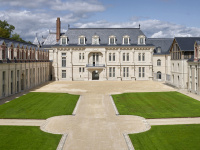
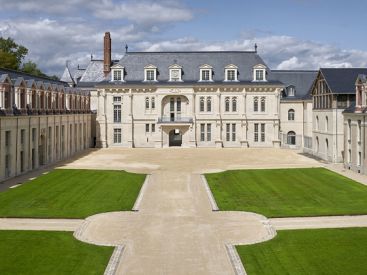
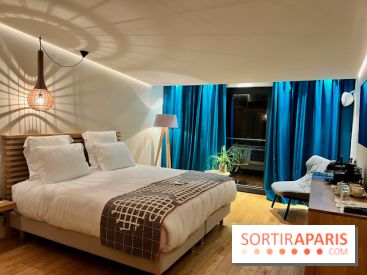
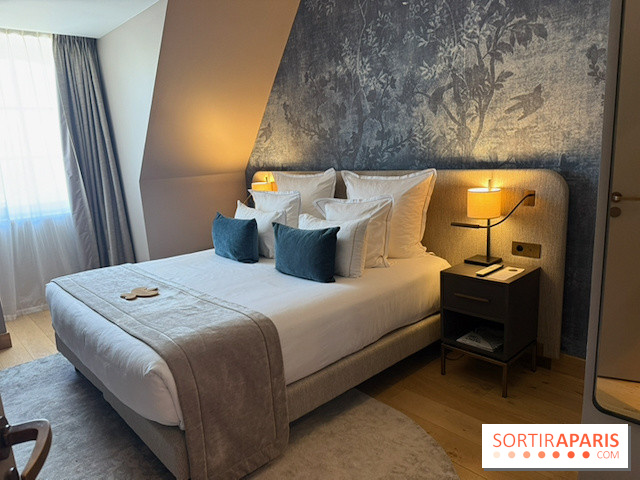
Fleur de Loire sits at 26, quai Villebois-Mareuil in Blois, facing the river and just a stone’s throw from the historic center. The property occupies an old hospice housed in a 17th‑century U‑shaped building whose design is linked to Gaston d’Orléans. It offers 44 rooms, including 12 suites. The hotel earned its five‑star rating in November 2022 and is part of the Relais & Châteaux network.
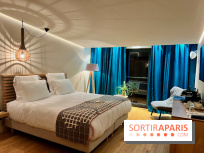
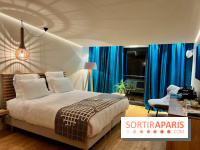
The complex brings together a hotel, the gourmet restaurant Christophe Hay, the dining spot Amour Blanc, a kiosk devoted to sweet creations, and a spa of about 450 m². Rooms on the first floor typically offer a broader view of the Loire, while those on the ground floor are described by the property as more secluded and intimate.
The parking arranged by Fleur de Loire is not complimentary. The rates published by the establishment are €15 for hotel guests and €10 for diners at the restaurant. These amounts can change, so they should be confirmed at the time of booking.
The Fleur de Loire kitchen garden sits less than a kilometer from the hotel and covers about 1.5 hectares. Planted under permaculture principles, it supplies a portion of the produce used in the restaurants. The garden showcases local and heirloom varieties, such as purple celery and the Sucrin de Tours melon, along with an asparagus bed and a citrus greenhouse.
In July 2026, the vegetable garden will be open for self-guided visits from Monday to Saturday, 7:00 a.m. to 3:00 p.m. in the summer season and 9:00 a.m. to 5:00 p.m. in winter. These hours may vary depending on agricultural work or weather conditions.
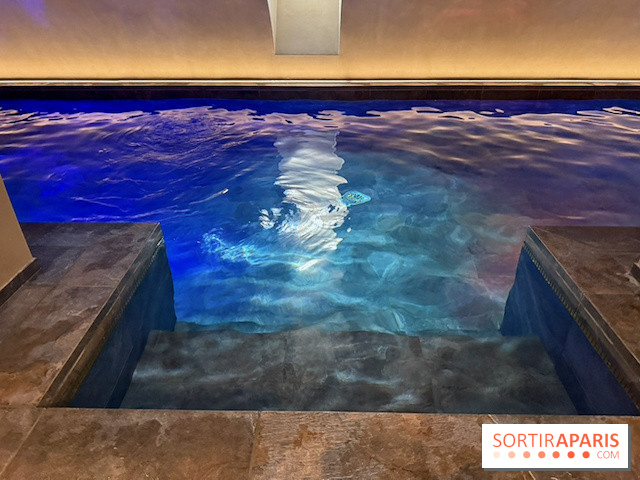
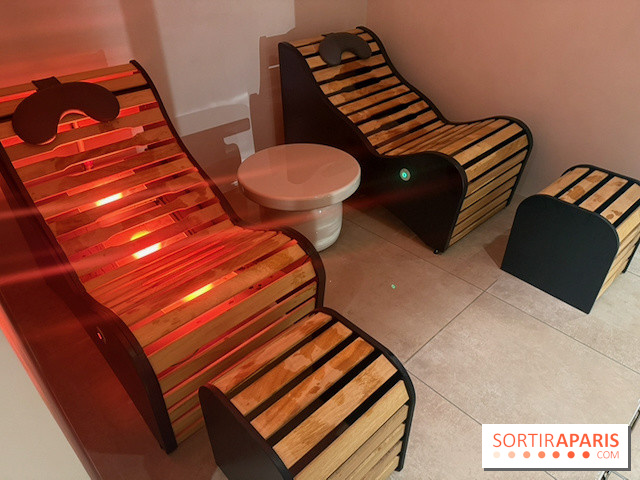
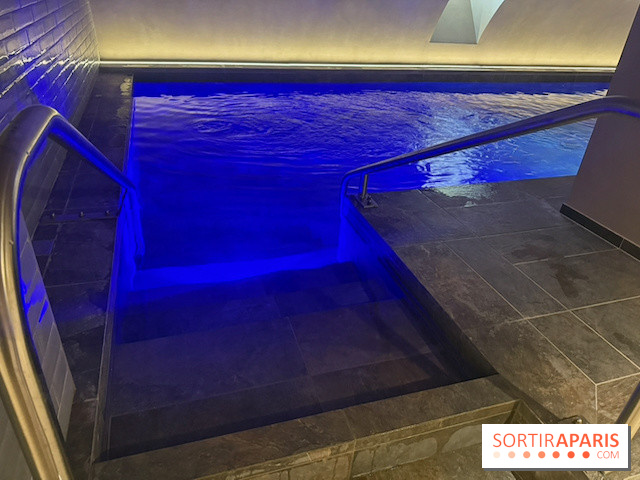
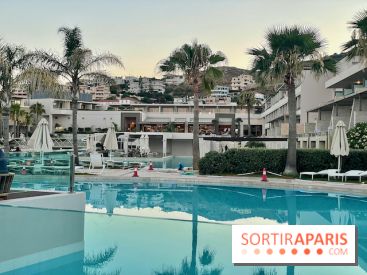
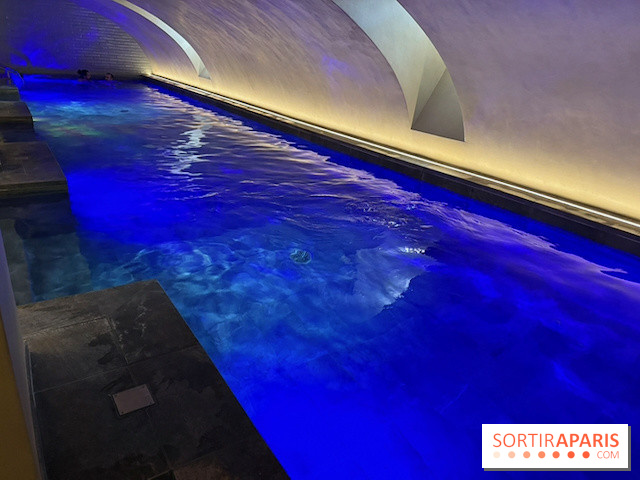
Following a closure for renovations, the Fleur de Loire spa is set to reopen on 23 April 2026. The facility includes, among other features, indoor and outdoor pools, a jacuzzi, a hammam, infrared loungers, and a range of hydrotherapy amenities, including lateral showers, affusion showers, and Scottish showers.
It’s best to book the treatments in advance and check access requirements before you stay, especially when the hotel expects a surge of visitors or when some facilities are undergoing maintenance.
Fleur de Loire is home to two dining rooms that should not be confused with one another. The restaurant bearing the chef’s name, Christophe Hay, has two red stars and one green star in the Michelin Guide. Amour Blanc is a second dining option, also listed by Michelin in the “modern cuisine” category (tested here), but it should not be presented as the establishment’s two-star restaurant.
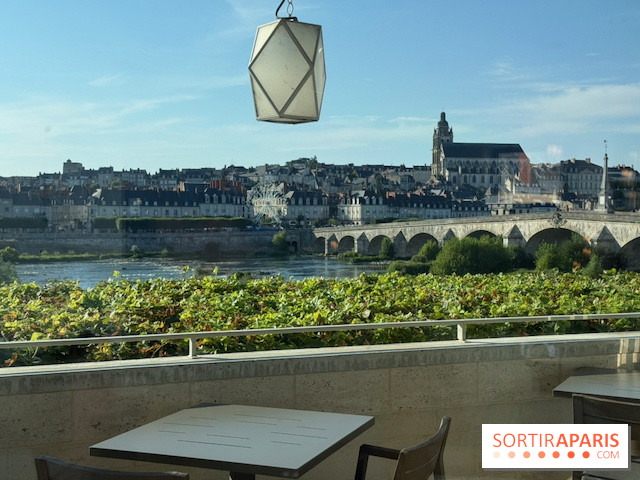
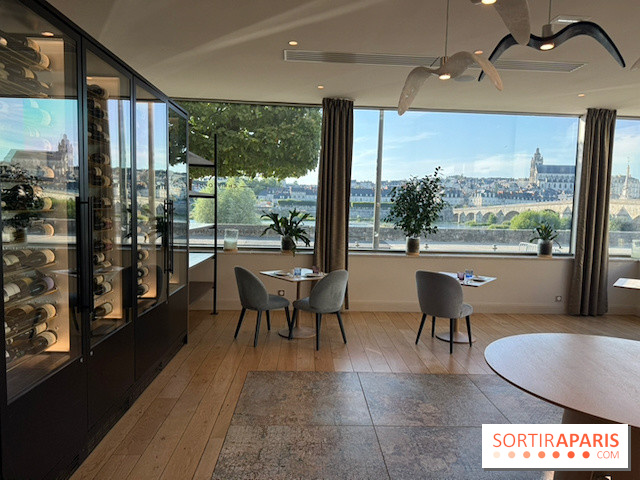
The name Amour Blanc nods to a carp species. The restaurant offers a seasonal French cuisine, with a strong emphasis on wood-fired cooking and Loire products. Its dining room, largely open to the Loire, combines wood, light tones and Art Deco-inspired lighting. The terrace can accommodate around thirty guests. (
Amour Blanc is listed as open daily, with lunch service from 12:15 p.m. to 2:00 p.m. and dinner service from 7:15 p.m. to 9:30 p.m. Reservations are advised, especially on weekends and during peak tourist season.
The menu "Opuscule ligérien", made up of four courses, was priced at €80. The wine-pairing added €40, and the cheese service €21. The published lineup included, notably:
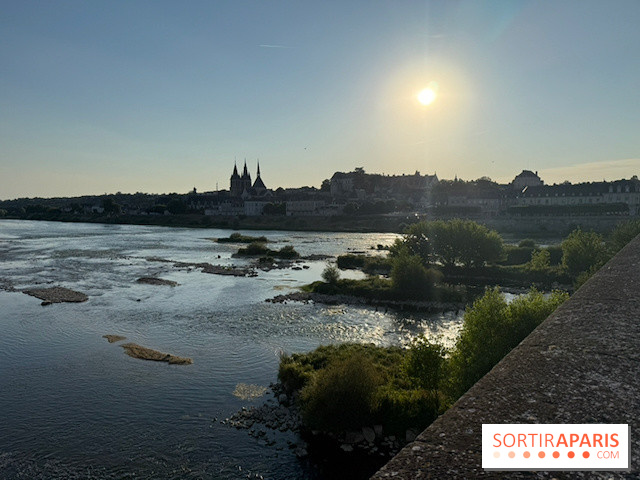
We settled on the “Voyage along the Loire” menu, a six-course affair priced at 120 euros. A sublime experience, also blessed with an exceptional view of the Loire and the Royal Château of Blois. The wine pairing topped out at 60 euros, and cheese could be added for 21 euros. Notable delights included: quail with eggplant and marigold, cuttlefish prepared with its ink and gray prawns, an egg accompanied by Wagyu beef boudin, sea bream with peas and lovage, lamb with celery and juniper, and then a fabulous dessert pairing rhubarb with acacia.
Note that on the à la carte menu, starters cost between 22 and 26 euros, main courses between 28 and 35 euros, and desserts 18 euros. The kids’ menu for those under 12 was listed at 35 euros.
The domaine national de Chambord sits about 15 kilometers from Blois. It is reachable by car or via line 2 of the Rémi regional network, departing from Blois-Chambord station. Schedules checked in July 2026 indicated two departures from Blois at 9:20 and 12:20, and two return trips from Chambord at 13:10 and 17:00. The fare listed was €3.40 per trip. We strongly recommend rechecking the timetables on travel day, especially if there is an event or weather-related changes (an exceptional 4 p.m. closing, for example, in our experience).
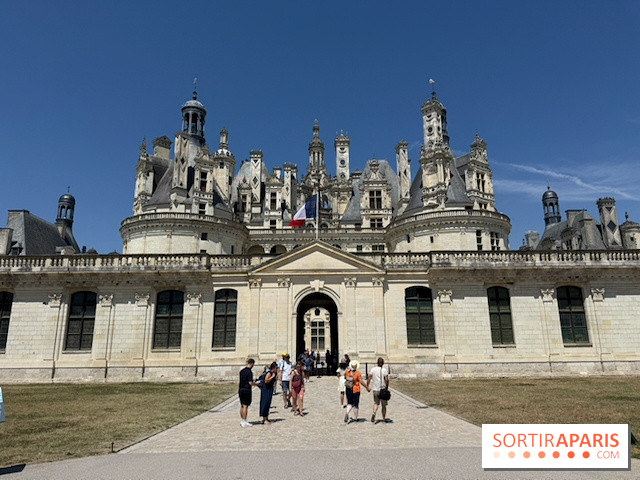
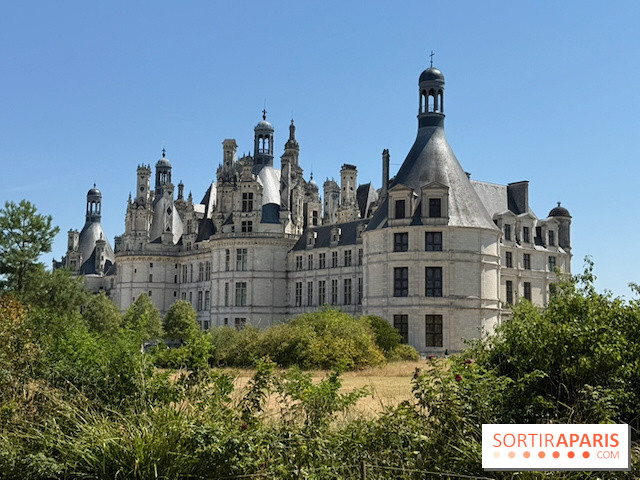
The construction of Chambord began in 1519 at the invitation of King Francis I. The château was not intended to become his permanent residence; the king stayed there only for brief spells. Above all, the edifice was meant to signal his power and his fascination with the bold new forms of the Renaissance.
The chief architect’s identity remains uncertain. Leonardo da Vinci’s influence is nonetheless recognized in several architectural features, notably the centralized plan, internal circulation, and the famous double-spiral staircase. It would be inaccurate to present Leonardo da Vinci as the officially credited architect of the castle.
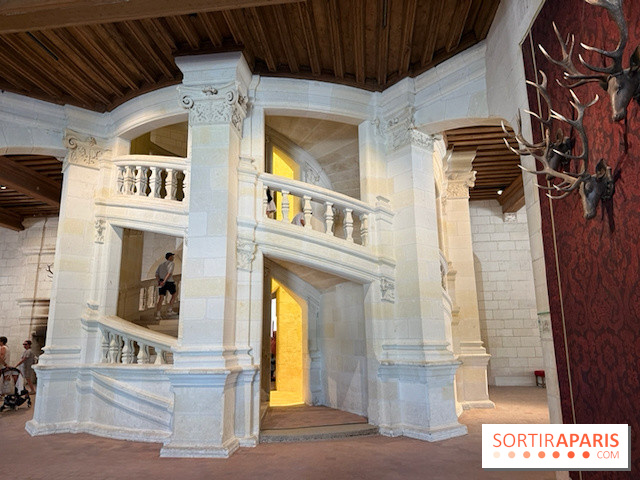
The keep’s plan is based on a Greek-cross layout with a central core. The double-turn staircase comprises two flights that wind around a common axis, allowing two people to ascend simultaneously without having to cross paths.
Louis XIV had major portions of the château completed. It was at Chambord that Molière and Lully’s comédie-ballet, Le Bourgeois gentilhomme, was premiered before the court on 14 October 1670.
In the 18th century, the estate hosted, among others, Stanislas Leszczynski, exiled King of Poland, and later the Marshal of Saxe. During the French Revolution, the furnishings were sold, but the building escaped destruction. Napoleon subsequently granted the estate to Marshal Berthier in 1809. In 1821, a national subscription allowed Chambord to be offered to the Duke of Bordeaux, who would later take the title of Count of Chambord. The estate has belonged to the state since 1930.
Chambord has been listed as a historic monument since 1840. The château was added to UNESCO's World Heritage List in 1981 and today forms part of the Loire Valley’s cultural property, which was inscribed in 2000.
From the top of the central tower, you will behold an exceptional estate spanning roughly 5,440 hectares, ringed by a wall about 32 kilometres long. It is touted as Europe’s largest enclosed park. The French formal gardens, recreated and opened to the public in 2017, cover about 6.5 hectares.
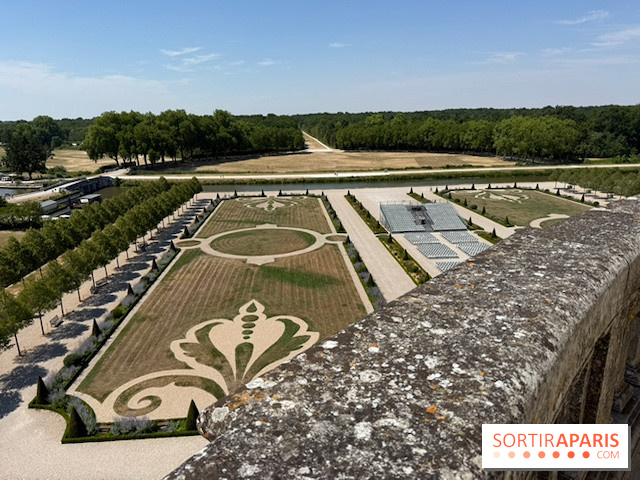
For a first visit that includes the castle, the terraces, and part of the gardens, plan on at least three hours. A half-day lets you explore the site more comfortably.
The official hours published for 2026 are as follows:
The castle is closed on December 25. The last admission to the castle is 30 minutes before closing, and the gardens also close 30 minutes before the monument.
Changes may be made at short notice due to weather, an event, or safety considerations. Please check the official site on the day of your visit.
Until December 31, 2026, the published reference price remains 31 euros for visitors who do not qualify for the preferential rate reserved for the European Economic Area. The preferential rate is 21 euros for citizens or residents of the European Economic Area, upon presenting proof. Reduced rates of 18.50 or 28.50 euros apply depending on the situation and place of residence.
Admission is free for anyone under 18, for EU and EEA nationals or residents aged 18 to 25, and for people with disabilities plus a companion, upon presenting the required documents.
Car parking in the P0, P2 and P3 car parks was priced at 8 euros per day.
The royal Château de Blois brings together around a single courtyard four wings that trace four major architectural epochs: the medieval remains from the thirteenth century, the Gothic wing built under Louis XII between 1498 and 1500, the Renaissance wing commissioned by Francis I and erected between 1515 and 1518, and the Classical wing ordered by Gaston d’Orléans between 1635 and 1638.
The castle has welcomed seven kings and ten queens of France throughout its history. It is also tied to a key chapter of the Wars of Religion: the Duke of Guise was assassinated there on December 23, 1588, on the orders of Henry III.
The admission fee was listed at 16 euros for full price, 12 euros for the reduced rate, and 8 euros for visitors aged 6 to 17. The digital visit system, HistoPad, is included, subject to availability, except for certain free admissions that carry a 4-euro supplement.
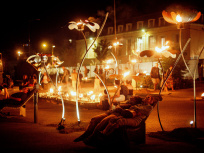
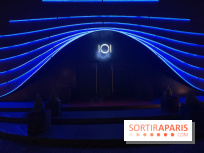
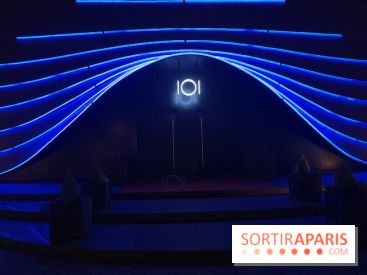
In our view, you can’t visit Blois without catching the current rendition of the Son et Lumière at the Royal Château of Blois, inaugurated in 2018. Projected in 360 degrees across the four façades of the courtyard, the show traces roughly a thousand years of history in twelve chapters. The texts are linked to Alain Decaux, and the recorded voices include Robert Hossein, Pierre Arditi, and Fabrice Luchini. A magical moment. Note that some passages may scare children, as they explicitly reference murders and violence.
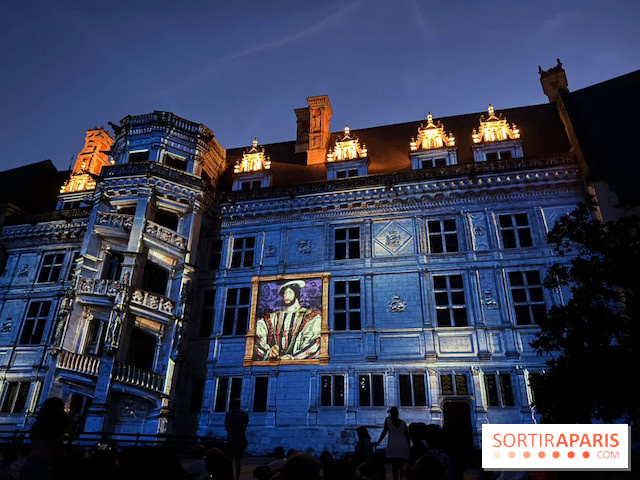
In 2026, the performances are on the schedule:
The show runs every evening during these periods, with the exception of June 21, August 29, and September 12, 2026.
The announced schedule is:
The performance runs about 45 minutes. Ticket sales open 30 minutes before showtime. That said, schedules should be checked for the exact date of your visit.
The published rates are €13 for adults, €11 at the reduced rate, and €8 for 6- to 17-year-olds. Admission is free for those under 6, and, with proof, for people with disabilities and their companion. The ticket pairing a tour of the château with the show was listed at €24 full price, €19 at the reduced rate, and €12 for ages 6–17. (
The courtyard has no seating for the audience. People who have trouble standing for long periods can bring a small folding chair. The performance goes ahead in the rain, so sensible clothing and waterproof protection are advisable. Some scenes may be unsettling for younger children.
Arriving in Blois-Chambord in the morning makes it easy to reach the hotel, drop off your bags, and then have lunch at Amour Blanc. The weekday lunch menu can be a shorter option, provided it is offered on the chosen day and that day is not a weekend or a public holiday.
The afternoon can be spent at the Royal Château of Blois. The site suggests a typical visit lasting between one hour and an hour and a half; allowing extra time lets you tour the apartments, the historic rooms, and the exhibition spaces at a relaxed pace. (
After the visit, a return to Fleur de Loire lets guests enjoy the spa, provided they’ve booked a slot. Dinner can be at Amour Blanc or another Blois restaurant, before joining the castle courtyard for the Sound and Light show.
An early start is recommended to catch the opening of the estate. The morning can be devoted to the keep, the double-helix staircase, the state rooms, and the terraces. The visit can then continue through the French formal gardens and the park.
For a trip by regional coach, the return times must be built into the day’s schedule from the outset, since the number of rotations is limited. By car, the itinerary is more flexible and can potentially allow you to round out the day with another site.
The Saint-Saturnin Ossuary is a former parish cemetery dating back to 1516–1520. After the French Revolution, the site came under the General Hospice of Vienne in 1807 and was notably used as a laundry and linen-drying area.
The monument is undergoing a restoration project designed to allow permanent public access. An earlier statement from Fleur de Loire spoke of a reopening in 2026, but no sufficiently precise official source confirms a September 2026 opening. Access should therefore be verified directly before it is added to the program. (Fondation du Patrimoine)
Located opposite Blois' royal castle, the House of Magic is dedicated to illusion and to Jean-Eugène Robert-Houdin, born in Blois on December 7, 1805. (House of Magic)
In 2026, it is slated to be open from 10:00 to 12:30 and from 14:00 to 18:30:
The château de Cheverny has belonged to the same family for more than six centuries. Its architecture inspired Hergé when he imagined Moulinsart Castle for Tintin, after a fictional removal of its two side wings. The estate also features six themed gardens accessible with the admission ticket, and it is open year-round.
In 2026, the Chaumont-sur-Loire International Garden Festival will run from April 22 to November 1, under the theme “The Garden Goes to the Cinema.” The edition delves into the formal, narrative, and symbolic links between gardens and cinema.
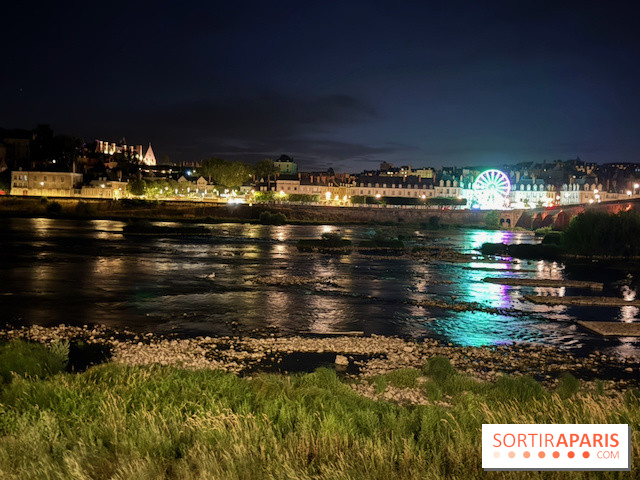
Since COVID, weekend escapes just a few hours from Paris have exploded in popularity among Île-de-France residents craving a break (without wasting a precious weekend on the train). Blois makes it possible to pack into a short stay a major royal heritage, a dip into Renaissance architecture, and a contemporary culinary experience. Clearly one of the best options for our readers: to discover and rediscover this region of the kings of France, which, in a pleasant surprise, keeps transforming year after year for the delight of visitors.
Places
Fleur de Loire · Spa Hotel & Restaurant
26 Quai Villebois Mareuil
41000 Blois
Route planner
Amour Blanc Restaurant
26 Quai Villebois Mareuil
41000 Blois
Route planner
Chambord Castle
château de chambord
41250 Chambord
Route planner
Blois Castle
Place du Château
41000 Blois
Route planner